DREAMSEA and Khazanah Fathaniyah Partner to Digitize and Preserve Priceless 18th–20th Century Malay-Islamic Manuscripts
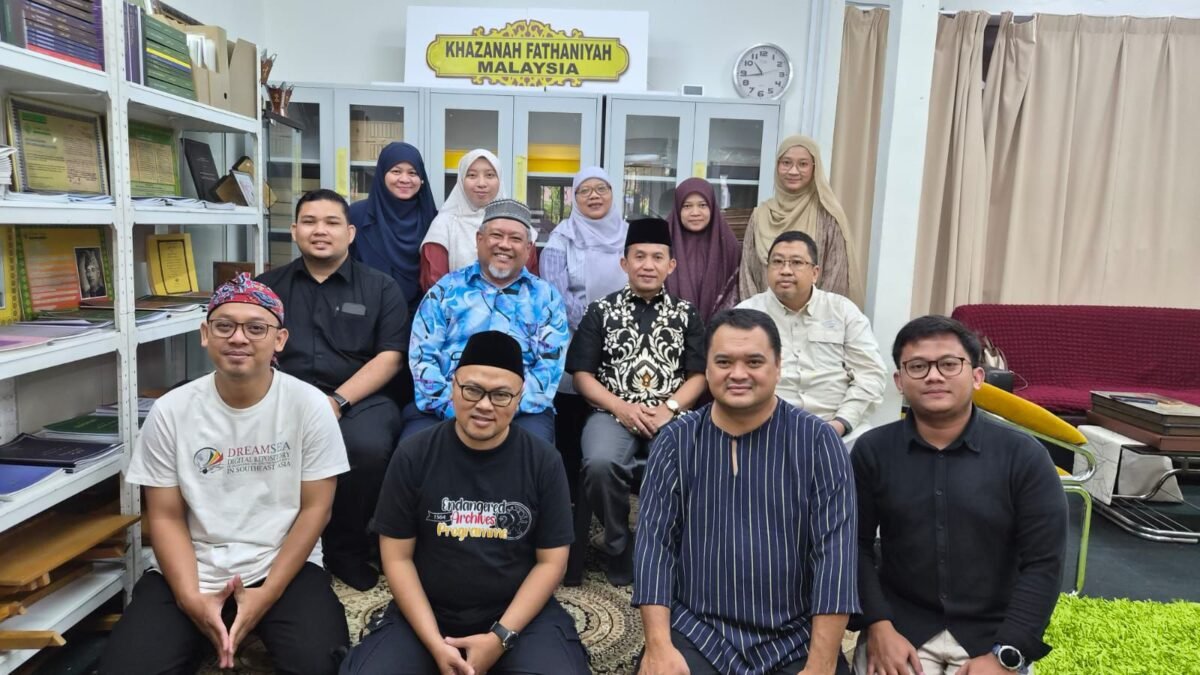
Selangor, 15 May 2026 — DREAMSEA (Digital Repository of Endangered and Affected Manuscripts in Southeast Asia) officially launched its first digitization mission for Phase II at Khazanah Fathaniyah in Selangor, Malaysia, on 13 May 2026.
The mission focuses on the extensive archives of the late Haji Wan Mohd Shaghir Abdullah, a collection holding approximately 2,000 archival items, including handwritten manuscripts, early lithographic prints, and historical letters, dating from as early as the 16th century.
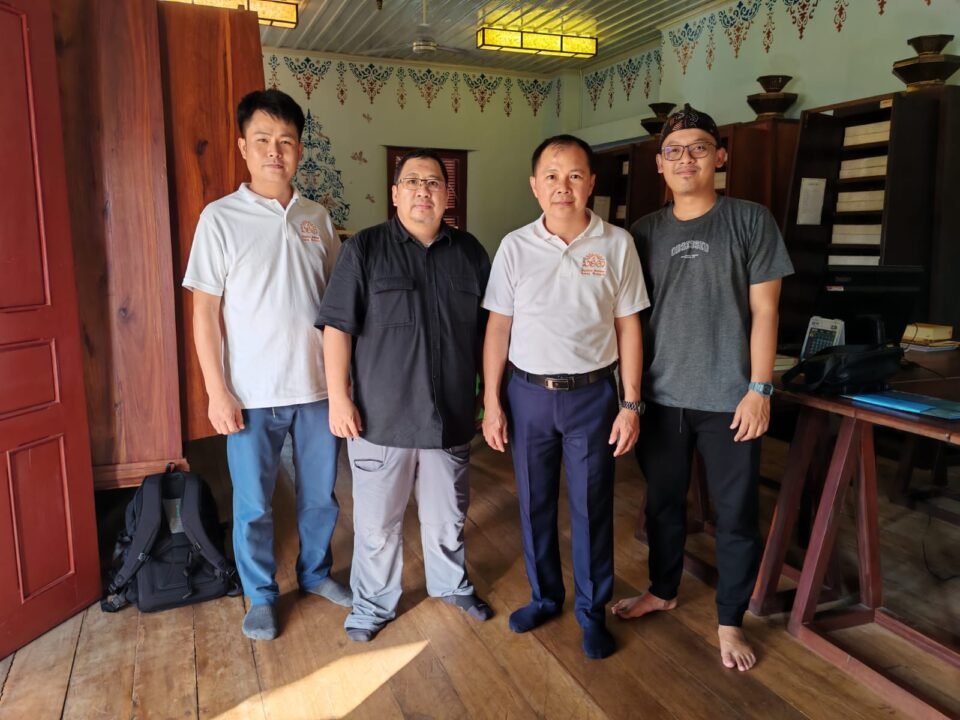
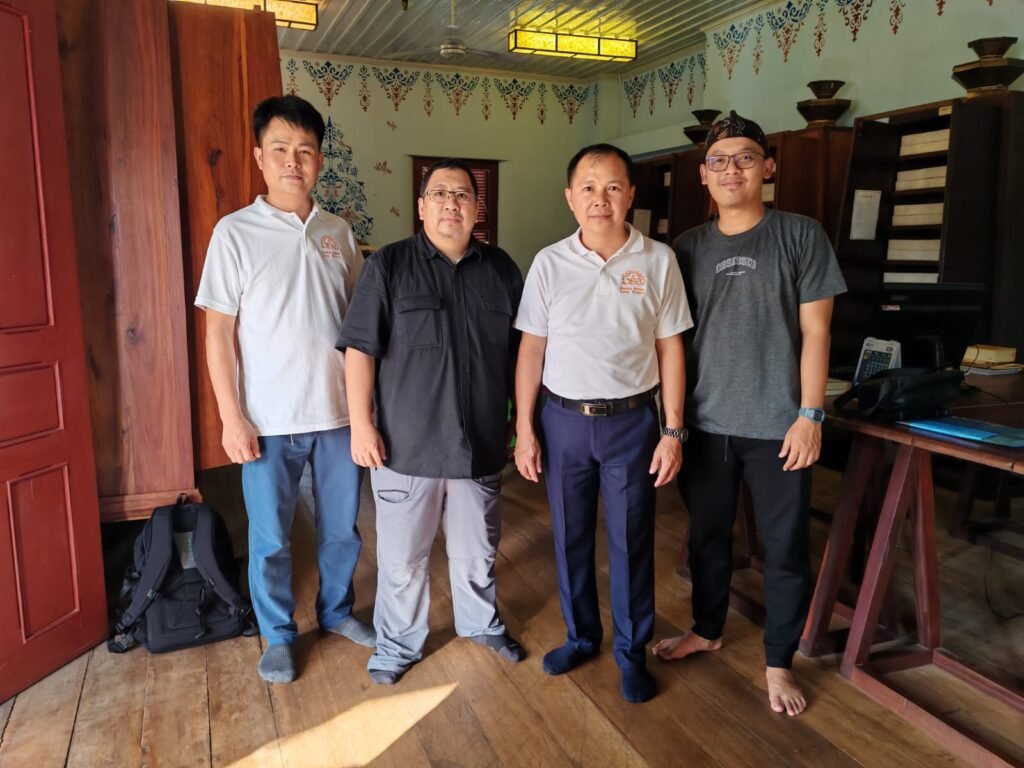
The project commenced with a formal coordination and networking session with the manuscript owner and mission academic expert, Wan Jumanatun Nailiah. Following the reception, the digitization team led by Nailiah immediately shifted into high gear under the supervision of the DREAMSEA team, conducting a rigorous three-hour identification and assessment session of 300 selected manuscripts.
During this initial phase, the team executed physical examinations to determine the current stability of each text, condition logging to note vulnerabilities to environmental wear and tear, and priority grouping to establish a systematic, efficient workflow aligned with international archiving standards.
“This stage is crucial for determining the workflow for the following days so that the process of preserving historical documents runs systematically and efficiently, in accordance with international archiving standards,” said Abdullah Maulani, researcher and data manager at DREAMSEA.
Khazanah Fathaniyah previously completed a preliminary survey in 2023, which cataloged 500 items. Building upon this foundation, the current DREAMSEA mission aims to digitize between 250 and 300 selected materials, targeting an output of roughly 9,000 high-resolution images across 30 working days.
The selection prioritizes rare, at-risk texts that map out the expansive intellectual networks of the Malay-Islamic world from the 18th to the early 20th centuries. Key highlights of the collection include the Fathaniyah Heritage, featuring family inheritances from Syeikh Ahmad al-Fathani and manuscripts linked to seminal scholars like Syeikh Daud al-Fathani; West Kalimantan documents from Mempawah; and Riau manuscripts tied to Raja Haji Yunus Ahmad from Penyengat.
Beyond pristine texts, the project is also assessing manuscript fragments and heavily annotated notebooks. These pieces offer invaluable codicological insights into how texts were transmitted, reused, and physically handled across generations.